
Braiding hair colors can completely transform your look—whether you want something natural and seamless, bold and high-contrast, or softly blended like a salon balayage. If you’ve ever wondered which shades look best in braids, how to choose colors that flatter your skin tone, or how to keep colored braiding hair looking fresh for weeks, this guide is for you.
In this in-depth article, you’ll learn how braiding hair color systems work, the most popular color options, how to mix shades for a custom result, and the aftercare tips that protect both your scalp and your style. The goal is simple: help you pick braiding hair colors with confidence and get results that look expensive—even on a budget.
What Are Braiding Hair Colors (and Why They Matter)?
Braiding hair colors refer to the shades and blends available in synthetic braiding hair (like Kanekalon or similar fibers) and, in some cases, human hair extensions used for styles such as box braids, knotless braids, twists, cornrows, and crochet braids.
Color matters because braids are not just a hairstyle—they’re a full look. The shade you choose can:
- Enhance your skin undertone and brighten your face
- Add dimension and texture to the braid pattern
- Make your style look fuller and more “installed”
- Help you match your everyday wardrobe or a specific vibe
- Photograph better (especially with mixed tones)
Even if the braiding style is perfect, the wrong color choice can make the look feel harsh, dull, or mismatched. The right color choice makes everything look intentional.
Understanding Braiding Hair Color Numbers (1, 1B, 2, 4, 27, 30, 99J…)
Most synthetic braiding hair follows a numeric color system. You’ll see labels like 1B, 2, 4, 27, or T1B/30. Here’s what the most common codes generally mean:
- 1: Jet black (deep, cool black)
- 1B: Natural black (softer than jet black; more realistic)
- 2: Dark brown (very common for natural-looking installs)
- 4: Medium brown (warm brown tone)
- 27: Honey blonde (golden, warm blonde)
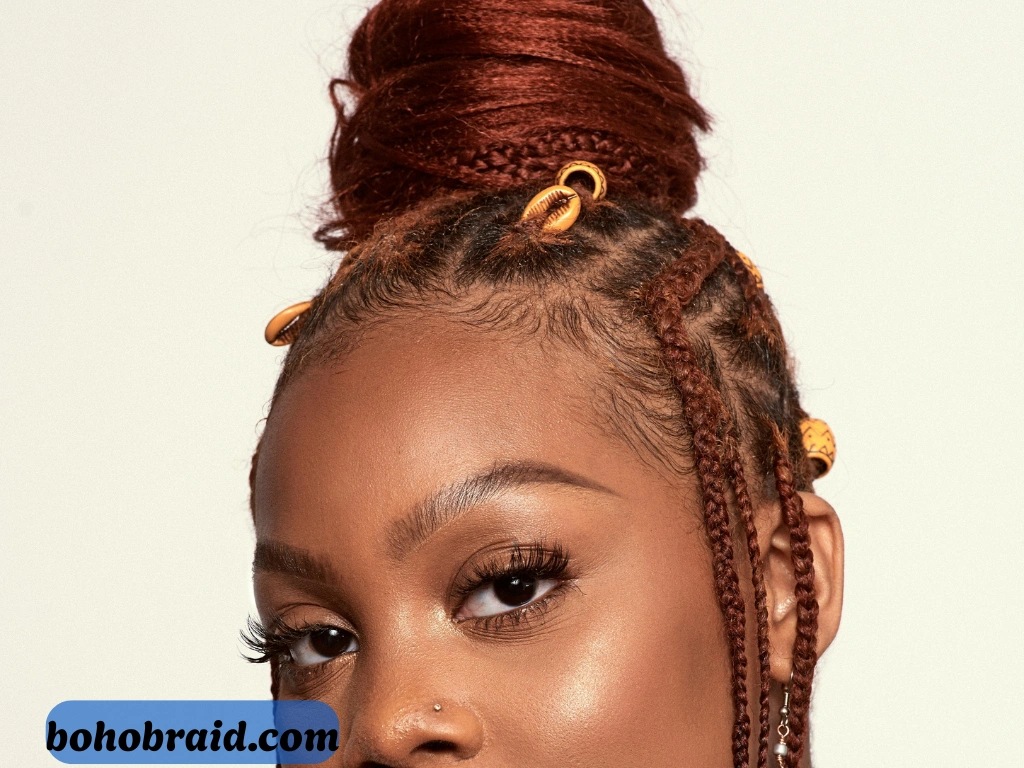
- 30: Auburn/copper (warm reddish-brown)
- 33: Deep auburn (richer red-brown)
- 99J: Burgundy/wine red (popular, bold but wearable)
- 350: Bright copper/red (vibrant warm red)
- 613: Platinum blonde (very light, high-impact)
Tip: If you want a natural look, 1B and 2 are usually the most believable. If you want warmth and glow without going too bright, look at 4, 27, 30, and 33.
Solid vs. Mixed vs. “T” Colors: What’s the Difference?
When shopping for braiding hair colors, you’ll typically choose between three categories:
1) Solid Colors
These are single shades from root to tip (like 1B or 27). They’re clean, bold, and easy to plan.
Best for: classic looks, uniform installs, first-time braiders, and minimalistic styles.
2) Mixed Colors (like 1B/30, 2/27)
Mixed colors blend two shades throughout the pack, creating natural-looking dimension.
Best for: soft highlights, natural depth, and “salon-like” movement.
3) “T” Colors (like T1B/27, T1B/30)
“T” colors usually have a darker root and a lighter color down the length—similar to ombré.
Best for: a realistic root, easier grow-out look, and bright colors that still feel wearable.
If you’re unsure, T colors are a great middle ground because they keep the scalp area natural while still giving you color.
How to Choose Braiding Hair Colors for Your Skin Tone
Choosing braiding hair colors becomes easier when you focus on undertones rather than guessing.
If you have warm undertones
Warm undertones often look amazing with golden, copper, and honey shades:
- 4, 27, 30, 33, 350
- T1B/27, 1B/30, 2/27
These colors make the skin look brighter and more radiant.
If you have cool undertones
Cool undertones tend to suit rich, deeper shades:
- 1, 1B, 2, 99J
- Deep espresso browns and wine tones
These shades look polished and dramatic without washing you out.
If you have neutral undertones
You have the widest range. Neutral undertones can wear both warm and cool colors:
- 1B, 2, 4, 27, 30, 99J
- Mixed blends like 1B/27, 2/30, T1B/30
Quick mirror test:
Gold jewelry flatters you most → try warm tones.
Silver jewelry flatters you most → try cool tones.
Both look good → you’re likely neutral.
Most Popular Braiding Hair Color Ideas (That Always Look Good)
Here are color choices that consistently look stylish across many braid types:
1) Natural & Seamless
- 1B (natural black)
- 2 (dark brown)
- 1B/2 (soft dimension without looking “colored”)
2) Sun-Kissed Highlights
- 1B/27 or 2/27
- T1B/27 for a natural-root glow
3) Warm Auburn & Copper
- 30 (classic warm auburn)
- 33 (deep auburn)
- 1B/30 or T1B/30 for a rich highlighted effect
4) Burgundy & Wine Shades
- 99J (deep burgundy)
- 1B/99J (subtle but noticeable)
Perfect if you want color that looks bold but still elegant.
5) Blonde Statements
- 613 (platinum blonde)
- T1B/613 (wearable blonde with natural roots)
This is a high-impact choice—especially gorgeous in knotless braids.
How to Mix Braiding Hair Colors Like a Pro (Custom Blends)
Mixing colors is how you get that “expensive braid” finish. Here are easy formulas:
The 2-Pack Blend (Beginner-Friendly)
Use two colors across your head for a natural highlight look.
- Example: 1B + 27
- Example: 2 + 30
How to install: alternate packs or alternate rows.
The 3-Color Dimension Blend (More Natural, More Depth)
Choose: base color + highlight + “bridge” color.
- Example: 1B + 4 + 27
- Example: 2 + 30 + 33
Why it works: the bridge shade prevents harsh contrast.
The Money-Piece Method (Face-Framing Pop)
Keep most of your head natural (1B or 2), then add a brighter shade just around the face:
- 1B base + 27 around the face
- 2 base + 30 around the face
This is a powerful look even with minimal color.
Color Placement Ideas: Where the Highlights Should Go
Color isn’t just “what shade”—it’s also where you place it. Try these placement styles:
- Face-framing highlights: brightens your complexion instantly
- Peekaboo color: hidden layers for a subtle surprise
- Ombré ends: lighter tips create movement and length
- Crown highlights: looks beautiful in updos and ponytails
- Scattered highlights: natural “sunlit” effect
For photos and Pinterest-style looks, face-framing highlights and ombré ends usually perform best.
Best Braiding Hair Colors by Braid Style
Different braid styles showcase color differently:
Knotless Braids
Knotless braids look especially good with T colors (like T1B/27 or T1B/30) because the root looks realistic.
Box Braids
Box braids work with almost any color, but mixed colors (1B/30, 2/27) add a lot of depth.
Passion Twists / Senegalese Twists
These styles look best with warm, glossy colors (30, 27, 33) because twists reflect light and show dimension.
Cornrows / Feed-In Braids
Color placement matters more than the actual color because cornrows are close to the scalp. Consider:
- subtle highlights
- a bold color only in a few braids
- ombré ends for impact
Crochet Braids
Crochet styles can handle bold colors easily because installation is quicker and the look is often fuller.
Can You Dye Synthetic Braiding Hair?
Sometimes—but with caution.
Most synthetic hair does not behave like real hair with standard dye. Some people use fabric dye methods or hot-water tinting, but results can be inconsistent and can damage the fiber.
If you want predictable color, it’s usually better to:
- Buy the shade you want (solid, mixed, or T colors)
- Or blend multiple packs instead of dyeing
If you do attempt coloring, test a small section first and avoid harsh chemicals near the scalp.
How to Keep Braiding Hair Colors Looking Fresh (No Dullness, No Fading)
Colored braiding hair can lose shine over time. Here’s how to keep it looking new:
1) Protect Your Braids at Night
Use a satin scarf or bonnet. Friction is one of the fastest ways for synthetic hair to look fuzzy.
2) Clean Your Scalp the Right Way
Instead of rough washing, use:
- diluted shampoo in an applicator bottle
- witch hazel on a cotton pad for buildup
Keeping your scalp clean helps the style last longer and look better.
3) Use Light Products Only
Heavy oils and thick creams can make synthetic hair look dull and attract lint. Use light mousse or braid spray when needed.
4) Refresh with Warm Water + Mousse (for Frizz)
For many braid styles, a small amount of mousse plus careful smoothing can revive shine and reduce flyaways.
5) Avoid Excessive Heat
Synthetic hair can melt or become stiff with high heat. If you must use heat, use very low settings and be careful.
Common Mistakes When Choosing Braiding Hair Colors
Avoid these and you’ll instantly get better results:
- Going too light without a dark root: can look harsh or wig-like
- Skipping the bridge shade: strong contrasts need a middle color for blending
- Choosing jet black (1) when your hair is softer black/brown: 1B often matches better
- Not considering lighting: colors look different indoors vs sunlight
- Buying too few packs: running out can force mismatched shading later
Quick Buying Guide: How Many Packs Do You Need?
This depends on braid size, length, and fullness. As a general guide:
- Short/medium, small braids: 6–8 packs
- Long, small braids: 8–10+ packs
- Medium braids: 5–7 packs
- Jumbo braids: 3–5 packs
If you’re mixing colors, plan the ratio:
- Subtle highlight: 70% base + 30% highlight
- Balanced blend: 50% base + 50% highlight
- Bold look: 60% highlight + 40% base (especially with face-framing)
FAQs
What is the most natural-looking braiding hair color?
1B is often the most natural-looking because it mimics natural black hair better than jet black (1). 2 also looks very realistic for many people.
What braiding hair colors look best for beginners?
Start with 1B, 2, 1B/2, 1B/30, or T1B/27. These shades are easy to match, flattering, and forgiving.
Are ombré “T” colors good for knotless braids?
Yes—T colors are excellent for knotless braids because the darker root area blends naturally with your hair, while the lighter lengths add dimension.
How do I choose between 27 and 30?
27 is honey blonde and brighter. 30 is auburn/copper and warmer. If you want a lighter, golden effect choose 27; if you want rich warmth choose 30.
Do braiding hair colors fade?
They can look dull over time due to friction, product buildup, and environmental exposure. Night protection, gentle scalp cleaning, and light products help a lot.
Conclusion
Braiding hair colors are one of the easiest ways to level up a protective style. The best choice isn’t always the brightest shade—it’s the one that matches your undertone, your everyday style, and how bold you want to feel. If you want the safest, most natural route, go with 1B or 2. If you want glow and dimension, try 1B/27 or T1B/30. If you want something unforgettable, explore 99J or T1B/613 and make the color the main character.
No matter what you pick, remember: good blending, smart placement, and the right maintenance routine are what make braiding hair colors look truly premium.
