
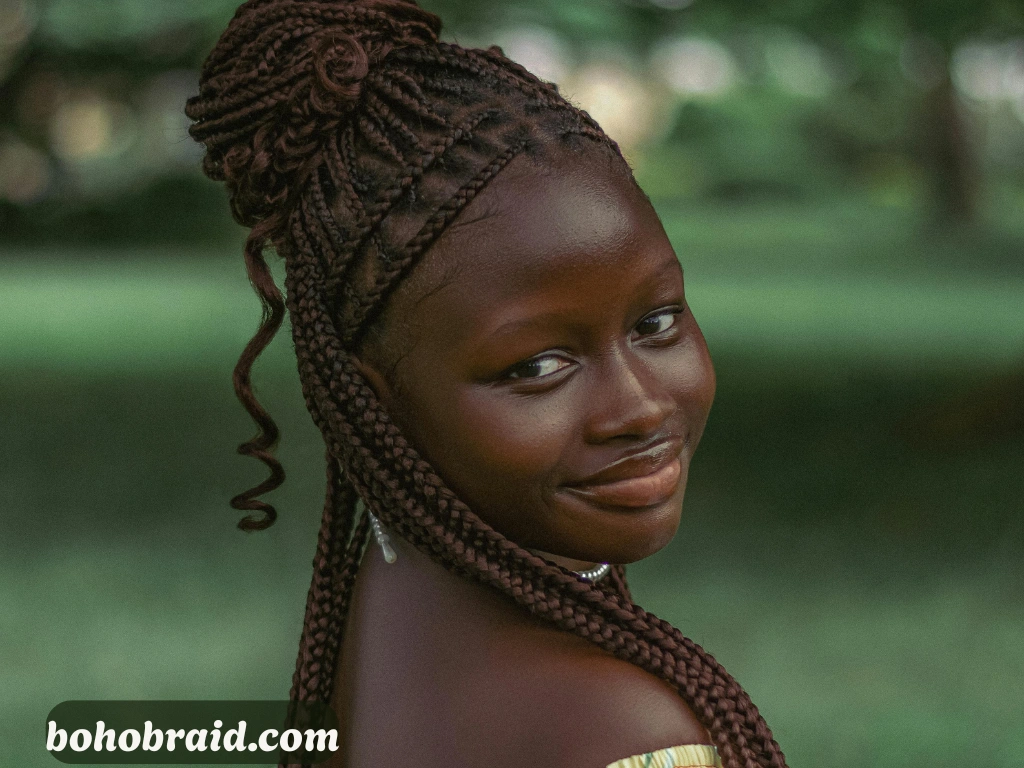
African hair braiding is more than just a hairstyle—it’s a timeless beauty practice, a cultural tradition, and one of the most effective protective hairstyles for natural hair. Whether you’re considering knotless braids, cornrows, Fulani braids, or passion twists, understanding the right technique and maintenance routine can help you achieve a flawless look without damaging your scalp or edges.
In this guide, you’ll learn the most popular braid styles, how to choose the best option for your hair type, how long braids last, what braiding usually costs, and how to keep your hair healthy before, during, and after the install.
Why African Hair Braiding Is So Popular
African hair braiding remains popular worldwide because it combines **beauty + convenience + protection**. When done correctly, it can reduce daily manipulation and support length retention.
Key benefits of african hair braiding
- Low-maintenance styling for weeks at a time
- Helps protect natural hair from breakage and dryness
- Great for busy routines, travel, and protective hair journeys
- Works with many textures: coily, kinky, curly, relaxed, and even transitioning hair
- Allows creative expression through patterns, beads, colors, and braid sizes
✅ Important note: braids can support hair growth *indirectly* by protecting the hair from frequent styling—but tight braids or poor aftercare can cause thinning.
The Most Popular African Hair Braiding Styles (with who they’re best for)
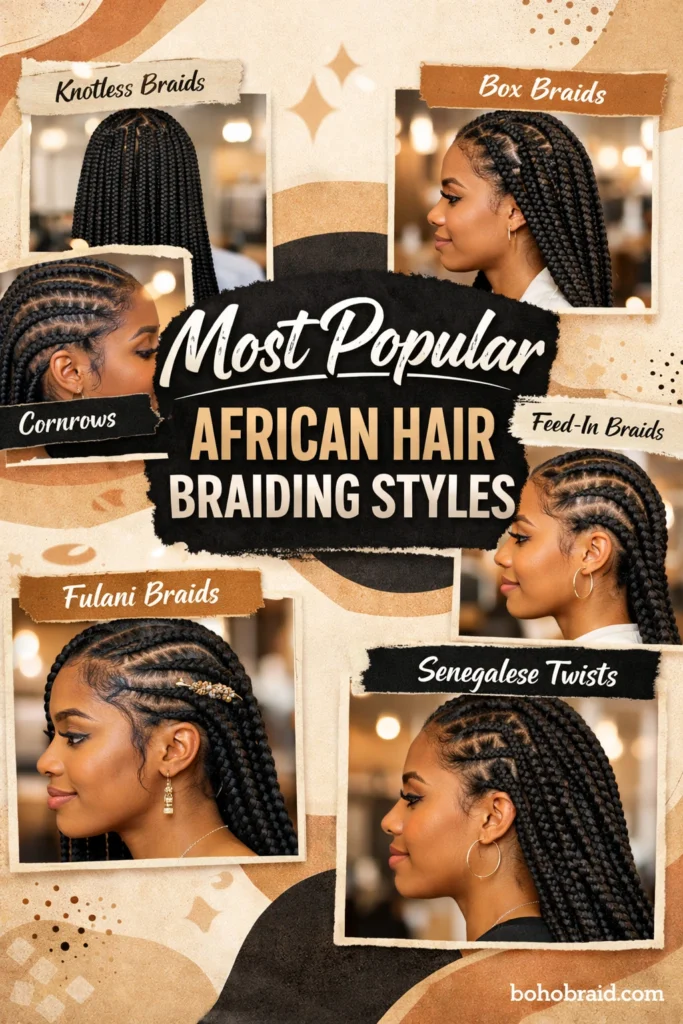
Choosing the right braid style depends on your hair goals (growth, convenience, lightweight feel, or bold looks), your scalp sensitivity, and your budget.
1) Knotless Braids (Lightweight & Scalp-Friendly)
Knotless braids are a modern take on box braids. Instead of a bulky knot at the base, the extensions are fed in gradually, making them feel lighter.
Best for:
- sensitive scalps
- people who want a natural look
- anyone who hates heavy tension
Pros: Natural finish, less pulling, flexible styling
Cons: Can cost more and take longer to install
2) Box Braids (Classic, Bold, and Versatile)
Box braids are one of the most recognizable african hair braiding styles. They’re created by sectioning the hair into squares (“boxes”) and braiding with extensions.
Best for:
- long wear (4–8 weeks)
- protective styling beginners
- lots of styling options (buns, ponytails, half-up looks)
Pro tip: Choose medium-sized box braids for the best balance of **install time + comfort + longevity**.
3) Cornrows (Timeless & Great for Active Lifestyles)
Cornrows are braided close to the scalp in straight or curved rows. This style is protective, neat, and highly customizable.
Best for:
- sports and gym routines
- shorter natural hair
- quick installs compared to long braids
Extra popular variations:
- straight-back cornrows
- feed-in braids
- braided ponytail cornrows
- zig-zag or freestyle patterns
4) Feed-In Braids (Natural, Clean & Instagram-Ready)
Feed-in braids (often called Ghana braids) use an adding-hair technique that starts small and gets thicker, giving a smooth, natural hairline.
Best for:
- a “no-bulky-start” finish
- scalp braid lovers
- braided ponytails and goddess styles
5) Fulani Braids (Cultural + Beautifully Detailed)
Fulani braids blend cornrows with loose braids and often include beads or accessories. They’re stylish and protective with a signature look.
Best for:
- statement hairstyles
- vacations and photos
- people who love accessories
6) Senegalese Twists & Passion Twists (Soft, Trendy, and Protective)
Twists are another popular option under the african hair braiding umbrella.
Senegalese twists = sleek and rope-like
Passion twists = softer, more textured, boho vibe
Best for:
- a lightweight protective style
- less friction than some braid types
- those who want a “full” look without extreme tension
How to Choose the Best Braids for Your Hair Type
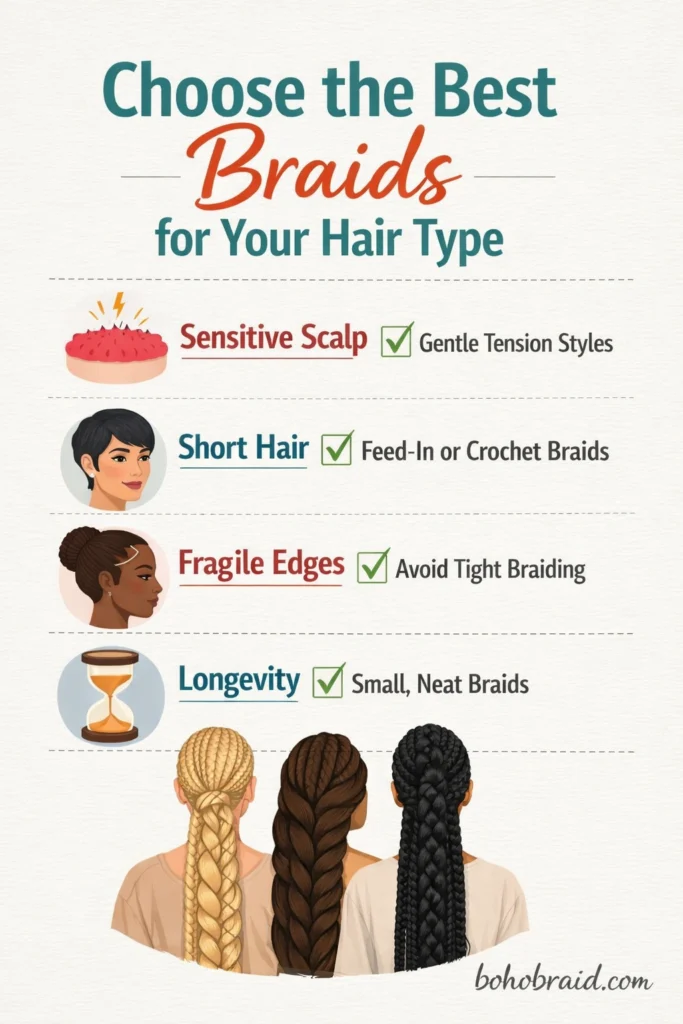
A smart choice protects your strands AND your scalp.
If your scalp is sensitive…
Choose: knotless braids, medium cornrows, feed-in braids
Avoid: super small braids installed too tight
If your hair is short (under ~4 inches)…
Choose: cornrows, feed-in braids, crochet braids
You’ll need a stylist who’s experienced in gripping short natural hair safely.
If your edges are fragile…
Choose: knotless braids or low-tension styles
Ask for edge protection and avoid tight braids around the hairline.
If you want the longest-lasting style…
Choose: box braids or medium knotless braids
These often stay neat longer (with proper maintenance).
How Long Does African Hair Braiding Last?
On average, african hair braiding lasts 3 to 8 weeks, depending on style, braid size, hair texture, and routine.
Typical lifespan by style
- Cornrows: 2–4 weeks
- Feed-in braids: 3–5 weeks
- Knotless braids: 4–7 weeks
- Box braids: 5–8 weeks
- Twists: 3–6 weeks
✅ Keep in mind: Your hair can keep growing under braids, but leaving them in too long can lead to matting, breakage, and difficult takedowns.
African Hair Braiding Cost: What You Should Expect to Pay
Pricing depends on your location, braid size, hair length, and whether extensions are included.
Common price ranges (general estimate)
- Cornrows: $40–$150
- Feed-in braids: $100–$250
- Box braids: $150–$400+
- Knotless braids: $180–$500+
- Fulani braids: $120–$350
- Twists: $120–$350
Why prices vary so much:
Because african hair braiding is time-intensive, skill-based work. Small braids can take **5–10 hours**, and detailed patterns take even longer.
The Best Prep Routine Before Getting Braids (Don’t Skip This)
Healthy braids start before the appointment. If your hair is dry, tangled, or weak, braids can cause breakage fast.
Pre-braid checklist (24–48 hours before)
✅ Shampoo your hair (clean scalp = better install)
✅ Deep condition for moisture and softness
✅ Detangle thoroughly (reduces pulling during braiding)
✅ Stretch hair lightly (optional) for easier braiding
✅ Trim ends if needed (braids hide damage but don’t fix it)
Stylist tip: Avoid heavy oils or thick creams right before braiding. Product buildup makes grip harder and can cause scalp irritation.
Maintenance: How to Keep Braids Fresh and Your Hair Healthy
This is where most people lose the benefits of protective styling. If you want braids that last AND healthy edges, follow this routine.
1) Moisturize your scalp (lightly)
Use a lightweight scalp oil or braid spray 2–4 times per week.
Look for ingredients like:
- aloe vera
- tea tree (if your scalp tolerates it)
- jojoba oil
- peppermint oil (diluted)
⚠️ Don’t oversaturate the scalp. Too much oil can cause itching and buildup.
2) Sleep protection is non-negotiable
Use a:
- satin bonnet, or
- silk scarf, or
- satin pillowcase
This reduces frizz, dryness, and tension on edges.
3) Washing braids (yes, you can!)
You can wash african hair braiding safely every 1–2 weeks.
How to wash without ruining your braids:
1. Dilute shampoo with water in a bottle
2. Apply directly to the scalp
3. Massage gently (don’t scrub aggressively)
4. Rinse thoroughly
5. Use a light conditioner on braids (optional)
6. Dry completely (towel + airflow)
✅ Drying matters: damp braids can smell and lead to scalp issues.
4) Reduce tension to prevent thinning
If your braids hurt after day one, that’s a red flag.
Signs your braids are too tight:
- bumps along the hairline
- headaches
- burning sensation
- excessive redness
- edges pulling upward unnaturally
If this happens, loosen them early or speak to your stylist immediately. No style is worth traction alopecia.
When to Take Braids Out (And How to Avoid Breakage)
Leave braids too long and your hair can matt near the roots.
Best time to remove braids
Most people should remove african hair braiding around:
✅ week 5–7 for small/medium braids
✅ week 3–4 for cornrows or twists
Safe braid takedown steps
1. Cut extensions carefully (never rush this)
2. Use oil or conditioner to soften buildup
3. Detangle gently from ends to roots
4. Shampoo + deep condition right after removal
5. Give your hair a break before reinstalling (at least 1 week)
Common Mistakes That Ruin African Hair Braiding Results
Avoid these if you want your style to look good and protect your hair:
- Installing braids on dirty scalp + heavy buildup
- Choosing braids that are too small too often
- Skipping moisture because “braids don’t need care”
- Leaving braids in for 10–12 weeks
- Tight ponytails every day (edge damage)
- Not drying braids after washing
Conclusion
African hair braiding is one of the most powerful ways to protect your natural hair while looking stylish for weeks. The secret is choosing the right braid type for your scalp, preparing your hair properly, and maintaining moisture without buildup.
Whether you love box braids, knotless braids, feed-in braids, or cornrows, the best results come from one rule: low tension + consistent care = healthier hair and longer-lasting braids.
FAQs
What is the healthiest african hair braiding style?
Knotless braids and medium-sized cornrows are often considered healthier because they can reduce tension on the scalp compared to very tight or tiny braids.
Can african hair braiding help with hair growth?
Braids don’t directly make hair grow faster, but they help with **length retention** by reducing breakage and daily manipulation.
How long should I keep african hair braiding in?
Most braided styles should be worn 3 to 8 weeks depending on size and scalp health. Keeping braids too long can cause matting and shedding issues.
Can I wash my hair with braids?
Yes. You can wash your scalp gently every 1–2 weeks using diluted shampoo and making sure the braids dry completely afterward.
Why do my braids itch so much?
Itching can come from buildup, dryness, sensitive scalp, or reaction to synthetic braiding hair. Try lightweight moisture sprays, wash your scalp, or switch to pre-rinsed hypoallergenic braiding hair.
