
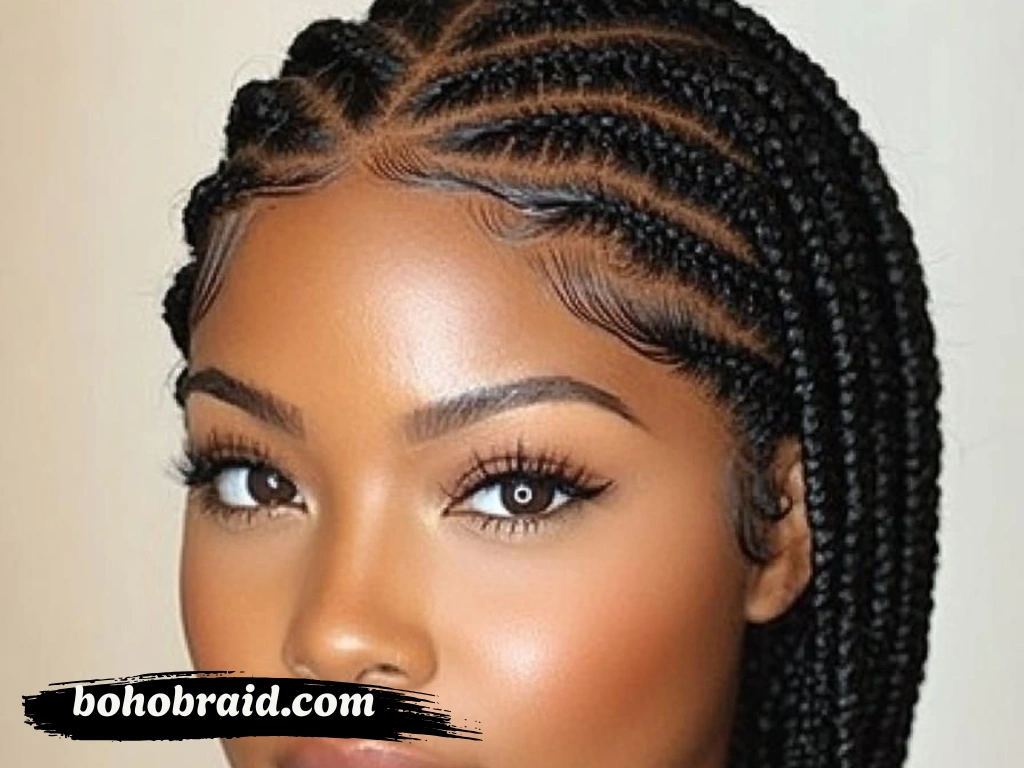
African hair braiding is more than a hairstyle—it’s a protective styling tradition with deep cultural roots and modern versatility. Whether you’re choosing knotless box braids for a lightweight feel, cornrows for a sleek look, or Fulani braids for statement detail, the best results come from pairing the right style with the right care routine.
In this guide, you’ll learn how african hair braiding works, how to pick the most flattering option for your hair type and lifestyle, and how to keep your scalp comfortable and your natural hair thriving.
Why African Hair Braiding Is Still One of the Best Protective Styling Choices
African-inspired braiding styles are popular for a few simple reasons:
- Low daily manipulation (less combing, pulling, and heat styling)
- Time-saving routines (wake up “done” for weeks)
- Versatility (length, color, parts, accessories, and finishes)
- Scalp access (you can still cleanse and moisturize if you do it right)
But “protective” doesn’t automatically mean “risk-free.” Braids can protect your strands or stress your hairline—depending on installation tension, braid weight, and how long you keep them in.
Dermatologists warn that tight, tension-heavy hairstyles—including braids and cornrows—can contribute to traction alopecia (hair loss from repeated pulling).
Popular African Hair Braiding Styles (and Who They’re Best For)
Here are the most requested styles you’ll see in salons, Pinterest boards, and everyday life—plus how to choose based on comfort, upkeep, and look.
1) Box Braids
Best for: long wear, versatile styling, medium-to-thick density hair
Why people love them: classic square parts, endless updos/ponytails, works with or without color
Pro tip: If you want box braids but hate a tight base, ask for knotless.
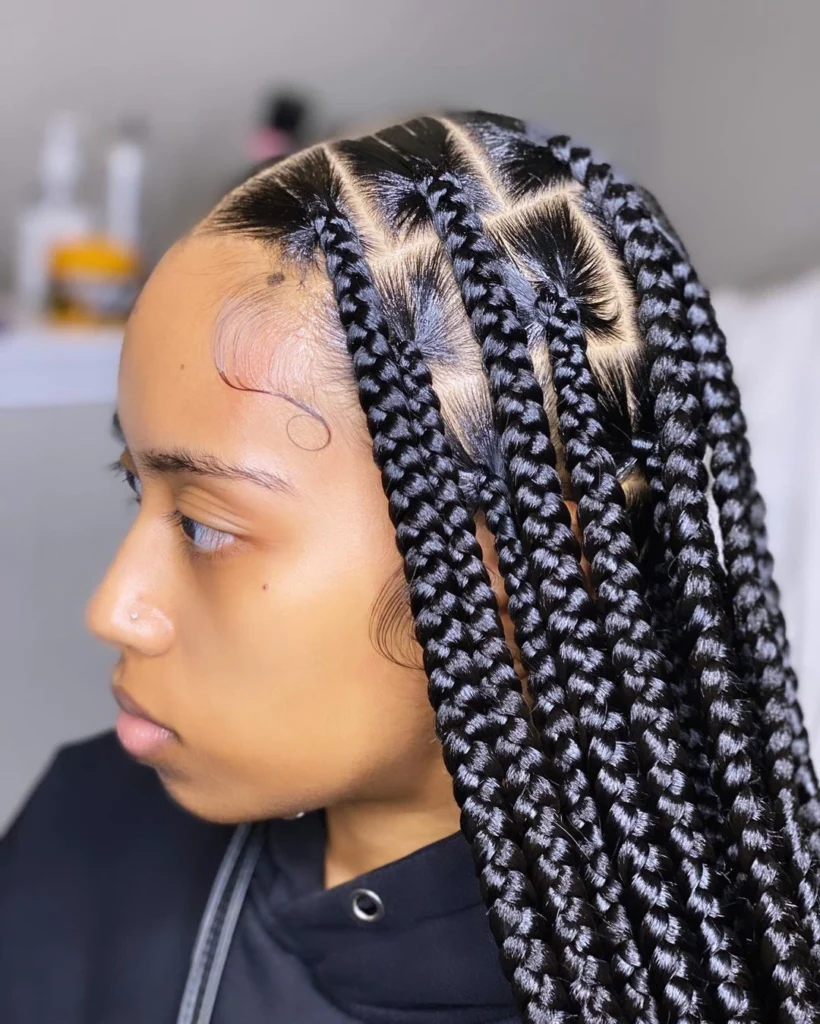
2) Knotless Braids
Best for: sensitive scalps, a more natural braid “fall,” lighter feel
Why people love them: less tension at the root, flatter base, more comfortable for many people
Watch out: knotless can still be too tight if your stylist doesn’t respect scalp comfort—always speak up.
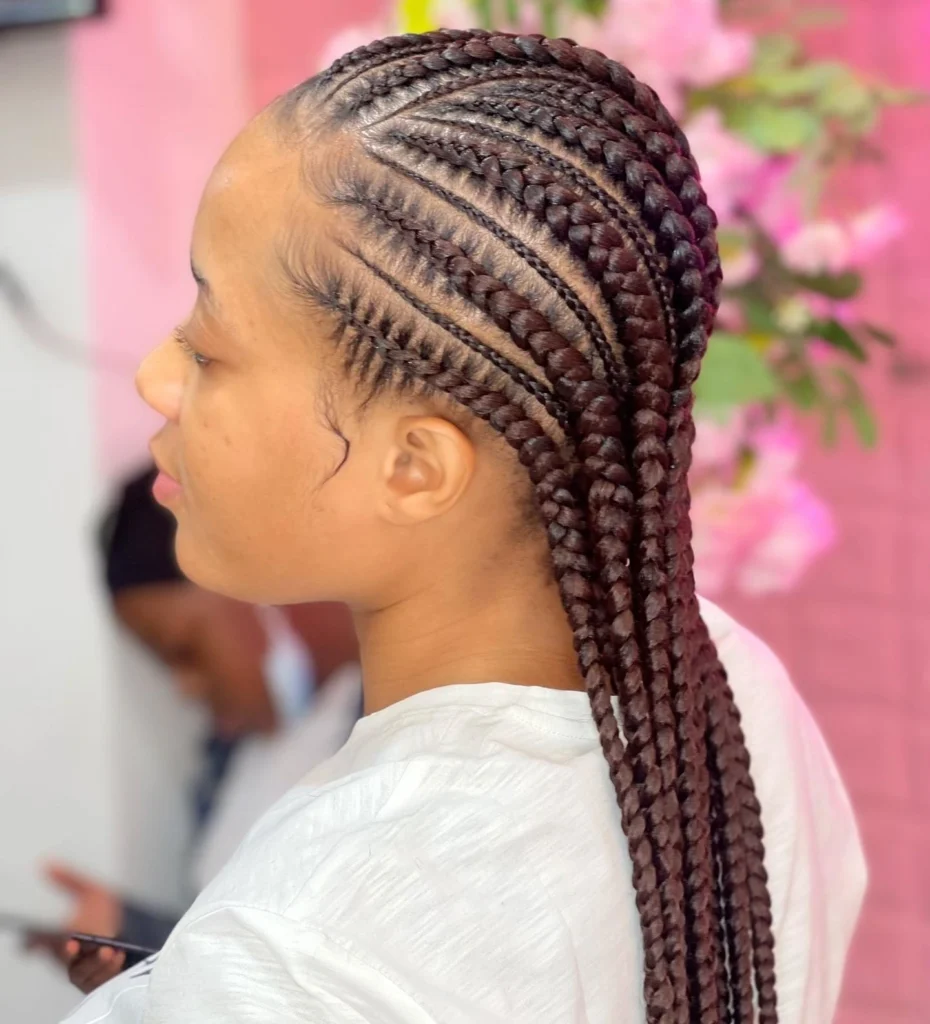
3) Cornrows
Best for: sleek looks, sporty lifestyles, shorter installs
Why people love them: neat patterns, easy maintenance, great under wigs, low bulk
Key detail: Cornrows sit close to the scalp—so tension control matters a lot.
4) Fulani Braids
Best for: a signature look with beads, rings, or cowries
This style is rooted in West African tradition and often combines front cornrows with braids in the back. Many wearers decorate them for a bold, personal finish.
5) Senegalese Twists / Rope Twists
Best for: a softer, twist-based look (less “grid” than box braids)
Twists can be lighter depending on hair used and are a great option if you like movement.
6) Ghana Braids / Feed-in Braids
Best for: an elevated cornrow look with thicker, “built-up” braids
Feed-in techniques create a smooth, natural start and gorgeous braid shapes.
How to Choose the Right Style (A Quick Decision Framework)
Use this simple matching system:
Choose based on your scalp sensitivity
- Very sensitive scalp / headaches easily: knotless, lightweight twists, larger parts
- Normal sensitivity: most styles work—focus on braid size and tension
- History of thinning edges: avoid heavy length, tiny braids, and tight hairlines
Choose based on your schedule
- Gym 3–5x/week: cornrows, feed-ins, or medium knotless (easier to cleanse scalp)
- Busy work weeks: box braids/knotless for easy styling variety
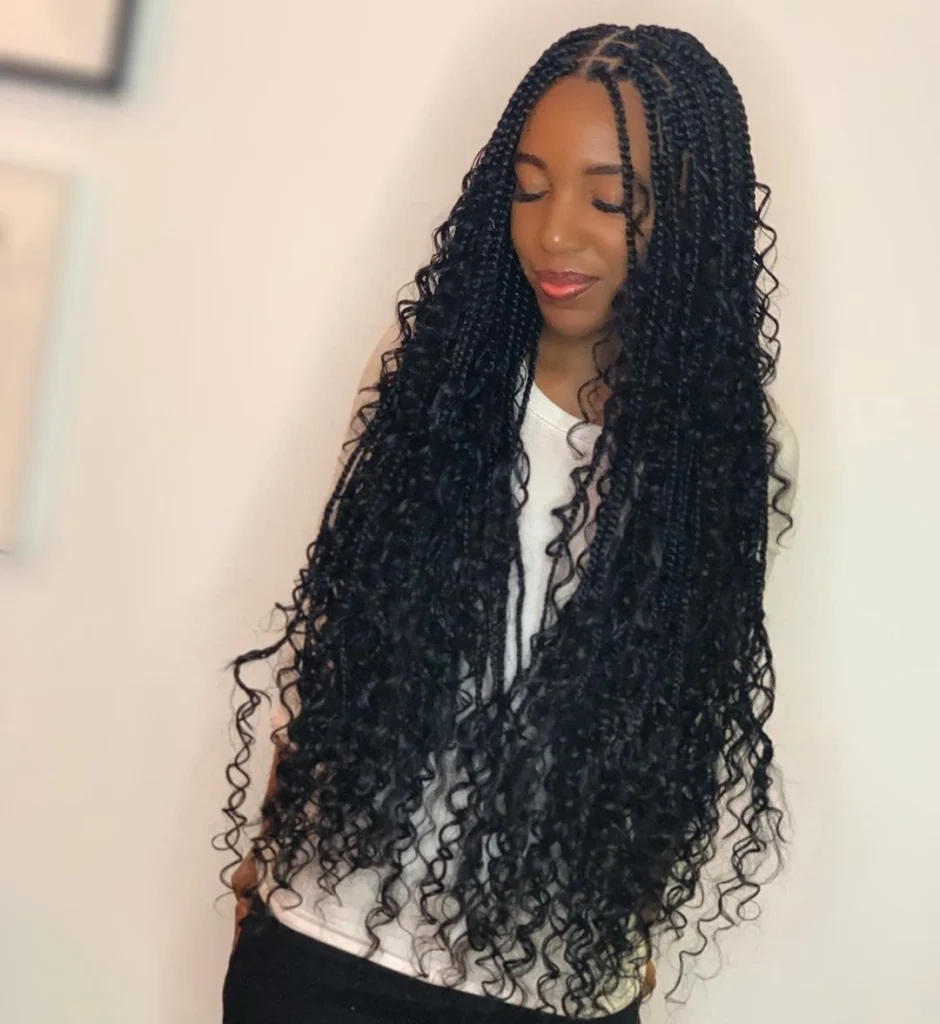
- Special occasions: Fulani braids or goddess-style finishes (braids + curls)
Choose based on the look you want
- Natural and soft: knotless, boho/goddess finishes
- Sharp and structured: cornrows, feed-ins
- Statement: Fulani + accessories
Pre-Braid Prep: The Step Most People Skip
If you want long-lasting braids without itchiness or buildup, prep matters.
48–24 hours before your appointment
- Cleanse your scalp thoroughly
- Deep condition your hair
- Detangle fully (gentle, in sections)
- Stretch hair lightly if needed (banding or low heat—optional)
What to avoid right before braiding
- Heavy butters/oils that attract buildup
- New products you’ve never used (risk irritation)
- Tight ponytails the day before (your scalp needs calm)
Installation Tips: What to Ask Your Braider for Scalp-Healthy Braids
Print this checklist mentally and use it in the chair:
Tension and comfort checks
- “Can you make the hairline looser?”
- “If I feel pain, can we adjust immediately?”
- “Can we do medium or large parts for less tension?”
Dermatology guidance consistently emphasizes reducing repeated stress on follicles and avoiding tight styles that pull.
Hair selection tips (especially for extensions)
- If you’re prone to itching, consider pre-rinsing synthetic hair and doing a patch test on your skin
- Go lighter on length if your edges are fragile (longer braids can mean more weight)
Size matters
- Small braids: super neat, but higher tension risk + longer install
- Medium braids: best balance of neatness, comfort, and wear time
- Large braids: fastest, lightest, easiest on scalp (often great for beginners)
Maintenance: How to Keep Braids Fresh Without Damaging Your Hair
1) Clean your scalp (yes, even with braids)
A common mistake is avoiding cleansing completely. Product buildup + sweat can lead to irritation. Experts emphasize maintaining scalp hygiene, and some recommend cleansing on a regular schedule (often around every couple of weeks depending on lifestyle).
Easy cleansing method
- Dilute shampoo in an applicator bottle
- Apply to scalp, massage gently with fingertips
- Rinse thoroughly (shower or sink rinse)
- Pat dry with a towel, then air-dry fully
2) Moisturize strategically
You don’t need to soak braids in oil. Instead:
- Use a light, water-based spray on scalp/roots
- Seal lightly if needed (a few drops, not a coating)
- Focus on your natural hair at the base and your scalp comfort
3) Night routine (non-negotiable)
- Satin scarf or bonnet
- Optional: silk pillowcase backup
- For curls/boho ends: loose pineapple + bonnet
4) Reduce frizz and keep parts clean
- Avoid heavy gels on the scalp
- Use mousse lightly on lengths if needed
- Touch up only the perimeter if you must (but avoid re-braiding too tight)
How Long Should You Keep Braids In?
This depends on style, hair type, and scalp health.
- Some traditional styles like Fulani braids are often worn for several weeks, with common ranges depending on care and hair type.
- The bigger question is: Is your scalp still happy?
Signs it’s time to take braids out
- Pain, bumps, or inflammation
- Persistent itching that doesn’t improve after cleansing
- Hairline thinning or “pulled” feeling
- Excessive shedding trapped at the roots
If you repeatedly wear tight styles for long periods, you increase the risk of traction alopecia, which can become permanent if follicles are damaged over time.
Rest period matters
Giving your hair breaks between installs can help reduce cumulative stress.
Scalp Health and Safety: The #1 Rule of African Hair Braiding
Braids should not hurt. Mild tightness for a few hours is one thing. Pain, headaches, or soreness for days is a red flag.
The American Academy of Dermatology specifically warns that hairstyles that pull can lead to hair loss and recommends changing habits to prevent traction-related damage.
The Cleveland Clinic also describes traction alopecia as hair loss caused by repeated tight hairstyles over time.
Safer braiding standards
- Choose a stylist who prioritizes scalp comfort
- Go lighter (shorter length, medium parts)
- Avoid adding heavy hair to fragile edges
- Don’t “suffer through” pain—adjust immediately
FAQs
Is african hair braiding good for hair growth?
Braids don’t magically increase growth rate, but they can support length retention by reducing breakage—if installed and maintained safely.
Can I wash my hair with braids?
Yes. Scalp cleansing is recommended for comfort and hygiene.
Are knotless braids better than box braids?
Many people find knotless braids more comfortable because the base is lighter and flatter. The best choice depends on your scalp sensitivity, desired look, and how you style your hair daily.
What if my scalp is sore after braiding?
Soreness that persists is a warning sign. Loosen the style if possible, use cool compresses, and avoid re-tightening. If you notice thinning or continued pain, consider removing the braids and consulting a dermatologist.
Conclusion
African hair braiding is timeless for a reason: it’s practical, protective, and endlessly customizable. The winning formula is simple—choose a style that matches your lifestyle, prep your hair properly, insist on healthy tension, and keep your scalp clean and calm while you wear the style. When comfort leads, beauty follows.
