
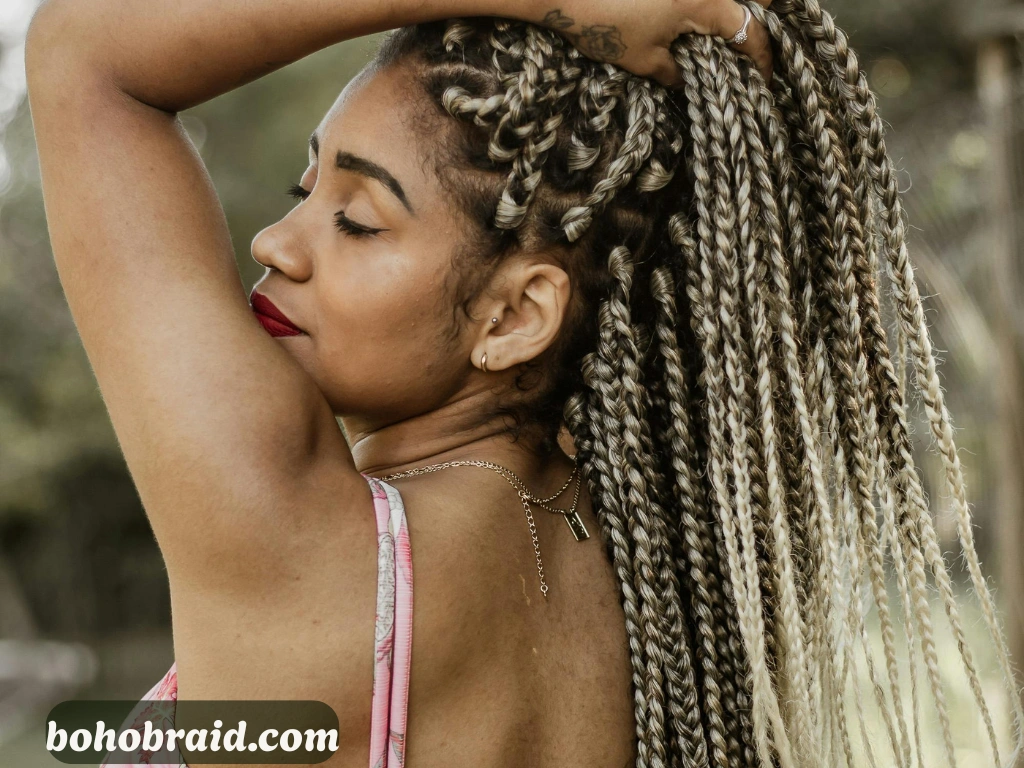
If you’ve been searching for braid braiding hair, you’re probably planning a protective style that looks amazing, lasts for weeks, and fits your lifestyle. Whether you want box braids, knotless braids, twists, or feed-in cornrows, the type of braiding hair you choose can completely change the final look, feel, and longevity of your style.
In this in-depth guide, you’ll learn everything you need to know about braid braiding hair—from the best hair types and textures to installation tips, maintenance routines, and how to avoid common problems like itching, frizz, and breakage.
What Is Braid Braiding Hair?
Braid braiding hair refers to the synthetic or human hair extensions added to natural hair to create protective styles such as braids and twists. Most people use **synthetic braiding hair** because it’s affordable, lightweight, and comes in many textures and colors.
Braiding hair is mainly designed to:
- Add length and volume
- Hold styles for longer periods
- Create neat, defined braid patterns
- Reduce daily styling stress on natural hair
Depending on the look you want, braid braiding hair can be straight, yaki-textured, curly, wavy, or even pre-stretched for faster styling.
Why Choosing the Right Braiding Hair Matters
Many people focus only on the braid style—but the braiding hair you use is just as important. The wrong type can lead to:
- A stiff, unnatural finish
- Heavy braids that cause tension
- Itchy scalp reactions
- Quick frizz and tangling
- Shorter style lifespan
When you choose the right braid braiding hair, you get:
✅ Softer and more natural-looking braids
✅ Better scalp comfort
✅ Longer-lasting results
✅ Easier installation and maintenance
Types of Braid Braiding Hair (And Which One You Need)
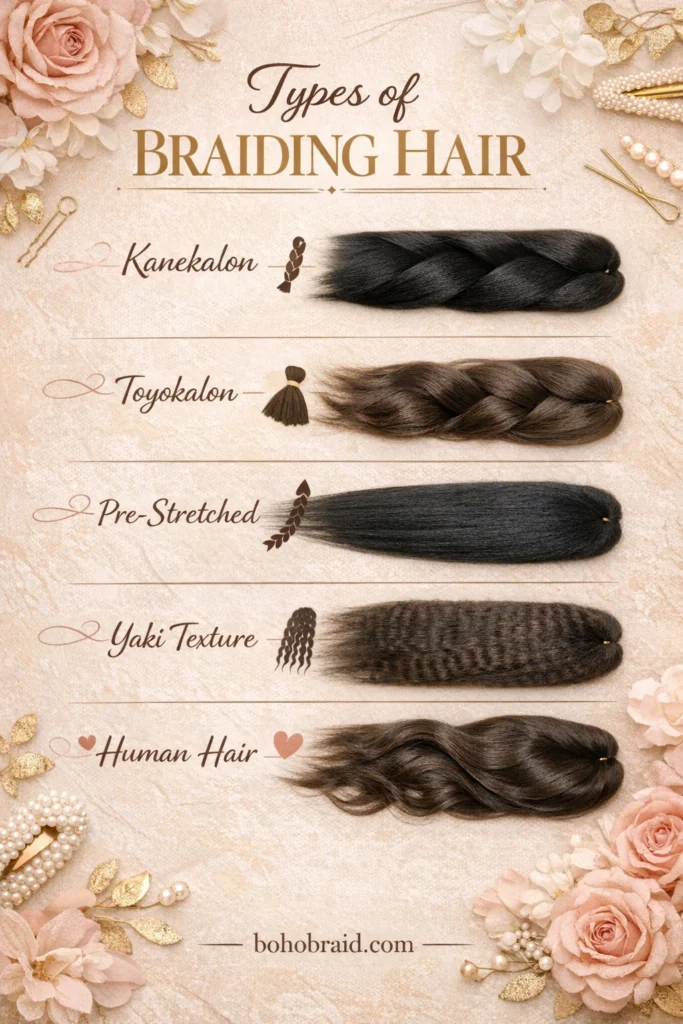
There are several popular options when it comes to braid braiding hair. Here’s how to pick the best one.
1) Kanekalon Braiding Hair
This is one of the most common types used worldwide.
- Best for: box braids, knotless braids, twists, cornrows
- Pros: smooth finish, lightweight, easy to work with
- Cons: may cause itching for sensitive scalps
If you want classic braids with a clean look, Kanekalon is a strong choice.
2) Toyokalon Braiding Hair
Toyokalon is similar to Kanekalon but often feels softer.
- Best for: crochet styles, twists, soft braids
- Pros: softer texture, comfortable feel
- Cons: can tangle faster than other fibers
This is great if you want a more natural softness and gentle movement.
3) Pre-Stretched Braiding Hair
Pre-stretched hair is designed to look realistic and reduce prep time.
- Best for: knotless braids, box braids, bohemian styles
- Pros: faster installation, less bulk, natural taper at ends
- Cons: sometimes more expensive than regular synthetic hair
If you’re doing your own hair, this is one of the easiest options.
4) Yaki-Textured Braiding Hair
This hair mimics the texture of blow-dried natural hair.
- Best for: natural-looking braids, medium or large braids
- Pros: realistic, blends well with natural hair
- Cons: may feel slightly thicker than silky fibers
If you want braids that look less “plastic” and more natural, yaki texture is perfect.
5) Human Hair (For Luxury Braids)
Yes—some people use real human hair, especially for boho braids and curly ends.
- Best for: bohemian braids, goddess braids, curly finish styles
- Pros: natural shine, soft movement, heat styling possible
- Cons: expensive, needs extra care
Human hair is great for finishing touches like curly ends or adding curls throughout the braid style.
Best Braid Styles You Can Create With Braiding Hair
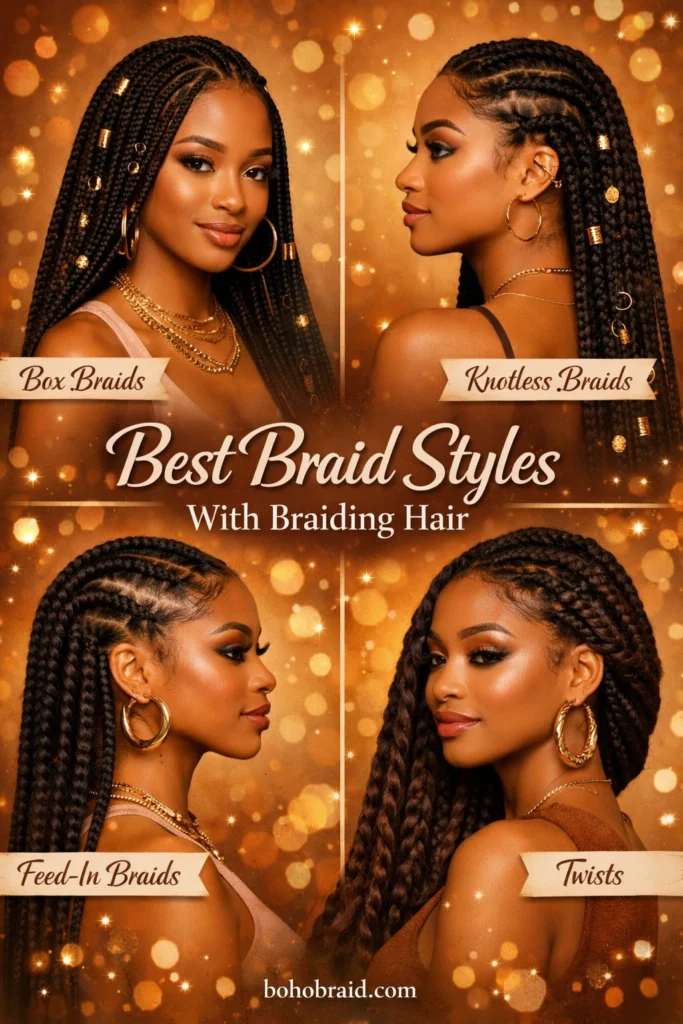
Choosing braid braiding hair is easier when you know what style you want. Here are the most popular braid styles:
Box Braids
A timeless protective style with square-shaped parts.
- Best hair: Kanekalon or pre-stretched hair
- Style life: 4–8 weeks
Knotless Braids
A modern version of box braids with a seamless, less bulky base.
- Best hair: pre-stretched braiding hair
- Style life: 4–7 weeks
- Bonus: less tension and more natural movement
Goddess Braids
Thicker braids that lay close to the scalp, often styled in patterns.
- Best hair: yaki texture, Kanekalon
- Style life: 2–5 weeks
Feed-In Braids
Braids that start small and gradually add hair for a clean finish.
- Best hair: pre-stretched, yaki texture
- Style life: 2–4 weeks
Senegalese Twists or Marley Twists
Twist styles that look rope-like and elegant.
- Best hair: Toyokalon, Marley hair
- Style life: 4–6 weeks
How Many Packs of Braiding Hair Do You Need?
This depends on braid size, length, and hair thickness.
General guide:
- Small braids: 8–12 packs
- Medium braids: 6–8 packs
- Large braids: 4–6 packs
- Knotless braids: 5–8 packs
- Shoulder length: use fewer packs
- Waist length: use more packs
**Pro tip:** Always buy 1–2 extra packs. It’s better than running out mid-style.
How to Prepare Braid Braiding Hair Before Installation
To get the best results, don’t skip these steps:
1) Pre-Wash or Vinegar Rinse (Optional but Helpful)
Some braiding hair has chemical coating that can irritate the scalp. A quick rinse can reduce itching.
Quick method:
- Soak hair in warm water with a small amount of apple cider vinegar
- Rinse thoroughly
- Air dry completely
2) Stretch the Hair (If Needed)
Regular braiding hair can have blunt ends. Stretching helps create a natural taper.
But if you’re using pre-stretched braid braiding hair, you can skip this.
3) Organize Hair by Packs and Sections
If you’re installing your own braids, separate hair into easy portions before you start. It saves time and keeps your parts clean.
Step-by-Step: How to Install Braids With Braiding Hair
Here’s a simple process most stylists follow:
Step 1: Clean and Deep Condition
Start with freshly washed hair and moisturized scalp.
Step 2: Blow Dry or Stretch Hair
Stretched hair is easier to part and braid.
Step 3: Part the Hair Neatly
Clean parts make a huge difference in how professional the braids look.
Step 4: Add Braid Braiding Hair
Attach the hair at the base (for box braids) or feed it in gradually (for knotless or feed-in braids).
Step 5: Braid Down and Seal Ends
You can seal ends by:
- Dipping in hot water
- Using mousse
- Adding curl rods for curled ends
How to Keep Your Braids Neat and Fresh for Weeks
If you want your braids to last, your daily and weekly maintenance matters.
Daily braid care
- Sleep with a **satin bonnet or scarf**
- Use a lightweight braid spray or leave-in mist
- Avoid heavy oils that attract dirt
Weekly braid care
- Clean scalp gently with diluted shampoo
- Use mousse to reduce frizz
- Refresh edges with a soft brush and styling gel
Scalp hydration routine
A healthy scalp = longer-lasting braids.
Use:
- aloe vera scalp mist
- light oil (jojoba or grapeseed)
- braid tonic spray
Common Problems With Braid Braiding Hair (And Fixes)
1) Itchy Scalp
Causes: chemical coating, dry scalp, too much tension
Fix:
- rinse hair before installing
- apply aloe vera gel on scalp
- avoid braiding too tight
2) Frizzy Braids
Causes: low-quality hair, dry weather, too much touching
Fix:
- use mousse regularly
- sleep with satin protection
- avoid constantly styling and pulling braids
3) Heavy or Painful Braids
Causes: too much braid braiding hair, big sections, tight base
Fix:
- choose lighter hair
- ask for knotless technique
- don’t overload each braid
4) Tangling at Ends
Causes: unsealed ends, low-quality synthetic hair
Fix:
- dip ends in hot water
- trim frayed ends carefully
- use pre-stretched hair for smoother ends
Can You Reuse Braiding Hair?
Yes, sometimes—but it depends on the hair quality and condition.
✅ You can reuse braid braiding hair if:
- it’s still smooth and not tangled
- it looks clean and fresh
- you’re redoing large braids or twists
❌ Don’t reuse hair if:
- it’s frizzy, stiff, or full of lint
- it smells or looks dirty
- it’s heavily tangled
If you want cleaner reuse, store removed hair in a sealed bag and wash it gently.
Best Colors and Ombre Ideas for Braiding Hair
One reason braid braiding hair is so popular is the color variety. Here are trendy choices that still look classy:
Natural-looking colors
- 1B (natural black)
- 2 (dark brown)
- 4 (medium brown)
- 30 (light auburn)
Bold and fashionable colors
- 27 (honey blonde)
- 99J (wine red)
- 613 (platinum blonde)
- blue-black shades
Ombre color ideas
- black to brown ombre
- 1B to 27 honey blend
- brown to caramel ombre
- burgundy tips
If you want an influencer-style look, mix 2–3 shades in one style for dimension.
How Long Do Braids Last With Braiding Hair?
The average lifespan depends on your hair growth, maintenance, and braid style.
- Box braids: 4–8 weeks
- Knotless braids: 4–7 weeks
- Feed-in braids: 2–4 weeks
- Twists: 4–6 weeks
Important: Keeping braids too long can cause matting, buildup, and breakage. Most stylists recommend removing braids after 6–8 weeks.
How to Remove Braids Safely Without Damage
Removing braids the right way protects your hairline and reduces shedding.
Safe removal steps:
1. Cut the extension hair carefully (below your natural hair length)
2. Unbraid slowly from the bottom upwards
3. Detangle each section gently
4. Shampoo + deep condition immediately
5. Moisturize and give your hair a break
Pro tip: Don’t rush removal—slow removal prevents breakage.
Expert Tips for a Cleaner, Professional Braid Finish
Here are stylist-approved tips to make your braid braiding hair look high-end:
* Use **edge control or braiding gel** to smooth the base
* Apply mousse during and after braiding
* Dip ends in hot water for a polished look
* Keep parts clean and consistent
* Avoid too much product buildup
* Choose hair that matches your natural hair texture
If you want a salon-quality result at home, pre-stretched hair + mousse is a winning combination.
conclusion
Absolutely. Choosing the right braid braiding hair makes your hairstyle easier to install, more comfortable to wear, and better-looking for longer. Whether you prefer long knotless braids, thick goddess braids, or natural twists, the best results come from:
✅ quality hair
✅ clean parts
✅ gentle tension
✅ simple weekly maintenance
Braids are more than a hairstyle—they’re a powerful protective method and a beautiful way to express your style.
If you’re planning your next look, invest in the right braid braiding hair and treat your scalp like gold. Your braids will thank you.
