
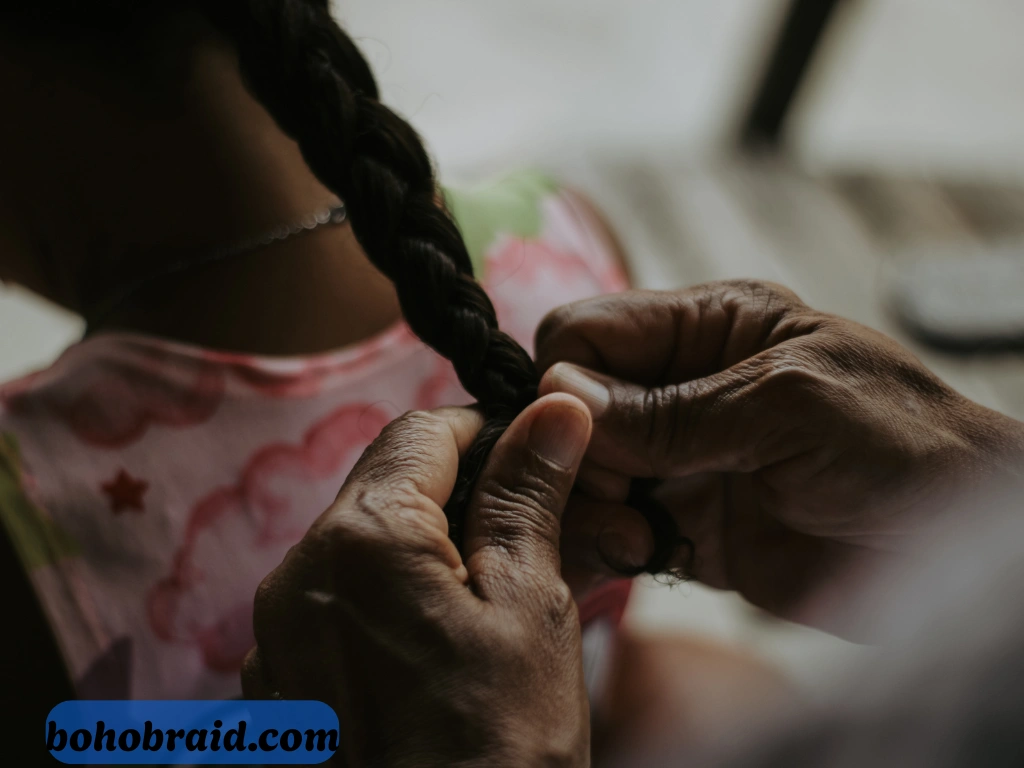
If you’ve searched for how to braiding, you’re probably looking for a clear, beginner-friendly way to learn braids without feeling overwhelmed. Braiding is one of the most useful hair skills you can have: it keeps hair tidy, protects ends, creates heatless waves, and works for everyday looks as well as special occasions.
This guide walks you through braiding basics, the most popular braid types, hair prep, common mistakes, and how to make braids last—using simple steps that work for many hair textures and lengths.
What “How to Braiding” Really Means (And Why Braids Can Feel Hard at First)
Braiding is the process of weaving hair strands in a repeated pattern. It sounds easy, but it can feel tricky because you’re training your hands to:
- Hold tension evenly
- Keep sections clean
- Cross strands in the right order
- Maintain symmetry while working behind your head
The good news: most people struggle in the beginning, and improvement comes fast once your fingers learn the motion.
What You Need Before You Start
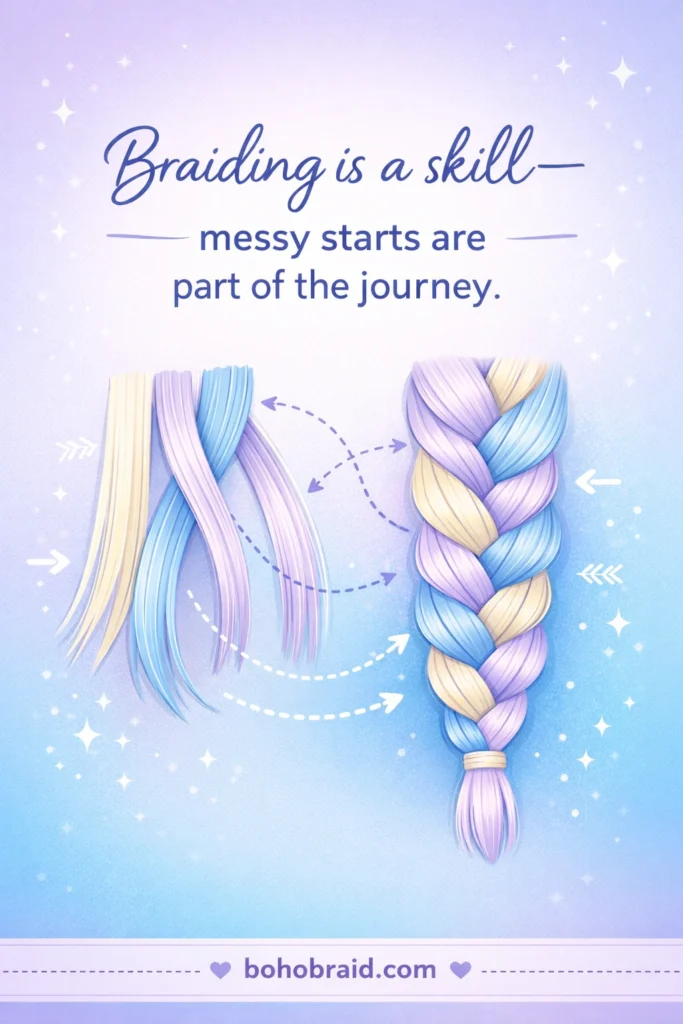
You can braid with almost nothing, but the right tools make it easier—especially for beginners.
Essential tools
- Wide-tooth comb (detangling)
- Rat-tail comb (clean parting and sectioning)
- Hair clips (to hold sections)
- Hair ties or small elastics (to secure ends)
- Spray bottle with water (lightly dampen for control)
- Brush (optional) for smoothing
Helpful products (choose what fits your hair)
- Leave-in conditioner for slip
- Light styling cream for hold and definition
- Gel or edge control (optional) for sleek looks
- Mousse (optional) for reducing frizz and setting styles
- Hair oil (light) for shine (use sparingly)
Step 1: Prep Your Hair for Cleaner, Longer-Lasting Braids
Hair prep is the difference between “messy and loose” vs “neat and secure.”
Detangle thoroughly
Start from the ends and work upward. Detangling reduces breakage and makes sections smooth.
Decide: dry, damp, or stretched?
Straight/wavy hair: slightly damp hair grips better than super-silky dry hair.
Curly/coily hair: braids are often easiest on stretched hair (blow-dried on low heat, banding method, or twist-out). This helps you see sections and reduces snagging.
Add a small amount of product
Use enough for control, not so much that hair becomes slippery or greasy.
Section first if you’re learning
For beginners, it’s much easier to braid when hair is already divided into manageable sections.
Step 2: Learn the Foundation — The Classic Three-Strand Braid
Almost every braid style builds from this technique. Master it and everything else becomes easier.
How to do a three-strand braid (basic braid)
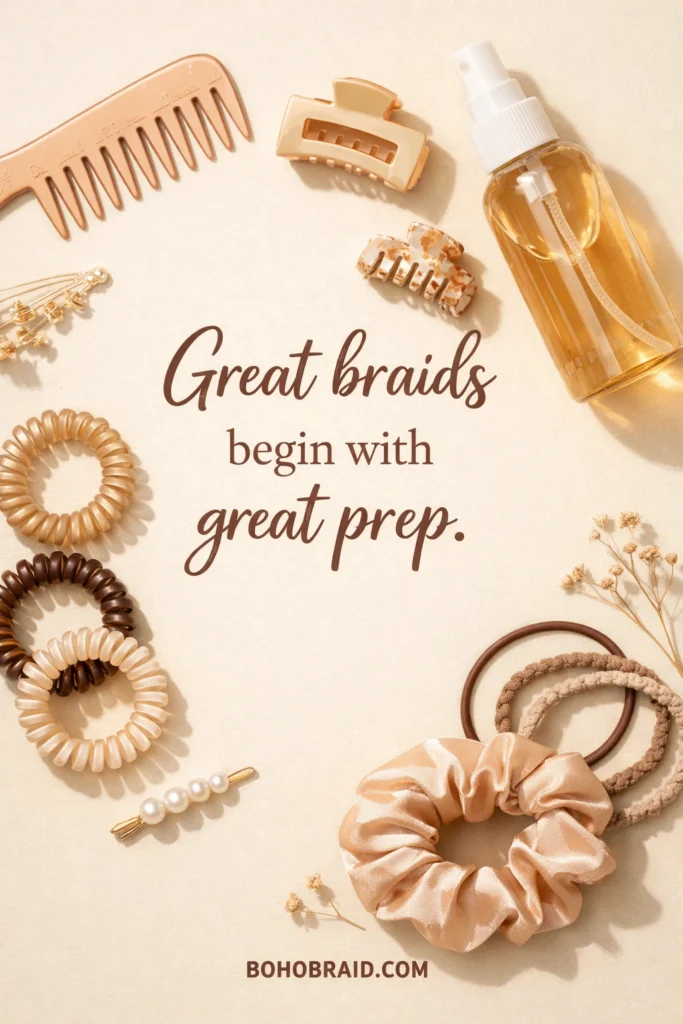
1. Gather hair into a ponytail or section of hair.
2. Divide it into three equal strands: left, middle, right.
3. Cross left over middle. (Left becomes the new middle.)
4. Cross right over middle. (Right becomes the new middle.)
5. Repeat: left over middle, right over middle until you reach the ends.
6. Secure with a hair tie.
Beginner tip: Keep tension consistent
You don’t need to braid super tight—just keep the pull *even* so the braid doesn’t “bubble” or loosen unevenly.
Common mistake
If your braid keeps unraveling, your strands are likely not equal or you’re releasing tension between crosses.
Step 3: Level Up — French Braid (The Most Requested Skill)
A French braid looks impressive, but it’s just a three-strand braid where you add hair as you go.
How to French braid
1. Take a section from the top/front of your head.
2. Split into three strands.
3. Cross left over middle, then right over middle once.
4. Now the key part:
* Before crossing the left strand over the middle again, add a small amount of loose hair to the left strand.
* Cross it over the middle.
* Add loose hair to the right strand, then cross it over the middle.
5. Continue adding hair evenly on both sides until you reach the nape.
6. Finish with a normal three-strand braid and secure.
Pro tip: Add small sections for a cleaner braid
Smaller add-ins create a tighter, more polished look.
Step 4: Dutch Braid (The “Inside-Out” French Braid)
Dutch braids pop out more because you braid **under** instead of **over**.
How to Dutch braid
The steps are identical to a French braid, but you cross strands **under the middle**:
Left under middle
Right under middle
…and keep adding hair each time before crossing under.
If you want bold, raised braids (like boxer braids), Dutch is the go-to.
5: Fishtail Braid (Looks Complex, Actually Simple)
Fishtails use two sections, not three.
How to fishtail braid
1. Divide hair into two equal sections: left and right.
2. Take a small piece from the *outside* of the left section and move it over to the right section.
3. Take a small piece from the *outside* of the right section and move it over to the left section.
4. Repeat until the end and secure.
Tip
Keep the pieces small for a detailed fishtail, larger for a quick casual look.
6: Rope Braid (Two-Strand Twist) for Fast Styling
Great when you want something quick.
How to rope braid
1. Divide hair into two sections.
2. Twist each section in the same direction (for example, both clockwise).
3. Then wrap the two sections around each other in the opposite direction (counterclockwise).
4. Secure the end.
If your rope braid untwists, you’re likely wrapping in the same direction you twisted.
Protective Braids (Box Braids, Cornrows) — What to Know Before You Try
Protective styles can help reduce daily manipulation, but they must be done safely to avoid tension damage.
Cornrows (beginner overview)
Cornrows are basically tight Dutch braids on the scalp, braided in rows. Clean parting and consistent tension matter most.
Box braids (beginner overview)
Box braids typically involve sectioning hair into squares (“boxes”) and braiding each section—often with added hair for length and fullness.
Important safety note: If you’re new, it’s often best to learn cornrow mechanics slowly or get help from a skilled braider—especially if adding extensions. Too much tension can cause scalp pain and breakage.
How to Braid Based on Hair Type (So It Actually Works)
Straight or silky hair
- Lightly dampen hair or use a texturizing product
- Smaller sections help prevent slipping
- Consider braiding after a day or two (not immediately after washing) for more grip
Wavy hair
- Use a light cream for definition
- Braid slightly damp for smoother results
- Finish with a little oil on the ends
Curly hair
- Detangle well and braid in sections
- Stretching hair can make braiding easier and cleaner
- Use a leave-in + cream combo for slip and control
Coily/kinky hair
- Work in smaller sections
- Moisturize first (leave-in + cream or butter)
- Avoid braiding too tightly—comfort matters
The #1 Rule: Don’t Braid Too Tight (Scalp Health + E-E-A-T)
A braid should feel secure, not painful. Too much tension can lead to:
- Soreness and bumps along the hairline
- Breakage around edges
- Long-term traction damage
Signs your braid is too tight
- Headache or throbbing scalp
- Redness, bumps, or swelling
- Pain when you move facial muscles
- You can’t sleep comfortably
If this happens, loosen the braid immediately. Healthy hair always ranks above “perfectly tight.”
Troubleshooting: Common Braiding Problems (And Fixes)
My braid looks uneven
- Your sections aren’t equal
- Fix: pause and re-split strands evenly before continuing
It gets messy halfway
- You’re losing tension or grabbing random pieces
- Fix: slow down, smooth each strand before crossing
My arms get tired
- Normal for beginners
- Fix: practice on a side braid or ponytail first, then move to behind-the-head braids
My braid keeps slipping out
- Hair is too clean or too silky
- Fix: braid slightly damp, use a light styling product, or try smaller sections
There are bumps on top
- You’re pulling unevenly or not smoothing
- Fix: brush/comb the section before you start, and keep your hands close to the braid
How to Finish a Braid So It Looks Clean
- Secure ends with an elastic that matches your hair color
- For flyaways: smooth a tiny amount of mousse or gel over the braid
- For a fuller look: gently “pancake” the braid by pulling outer loops slightly outward (do this slowly)
How to Maintain Braids (So They Last Longer)
Night routine
- Sleep with a satin bonnet or *silk scarf*
- Or use a satin pillowcase if you prefer
Refresh routine (quick)
- Light mist of water + leave-in
- Small amount of mousse for frizz
- Oil on ends only (avoid heavy buildup)
Washing braided hair (if needed)
- Dilute shampoo with water and focus on the scalp
- Rinse gently, don’t rub aggressively
- Follow with a light leave-in or scalp-friendly moisturizer
How Long Do Braids Last?
It depends on braid type, hair texture, and care.
- Basic braid / French / Dutch: 1–3 days (longer with night protection)
- Cornrows: about 1–2 weeks (sometimes longer)
- Box braids / protective styles: often 3–6 weeks (but only if installed safely and maintained)
If you notice heavy itching, excessive buildup, or breakage, it’s time to remove and reset.
Conclusion
Learning how to braiding is mostly about repetition. Start with a three-strand braid, then practice French and Dutch techniques slowly. Keep sections clean, tension even, and scalp comfort as your priority. In a week of short daily practice, most beginners improve dramatically.
