
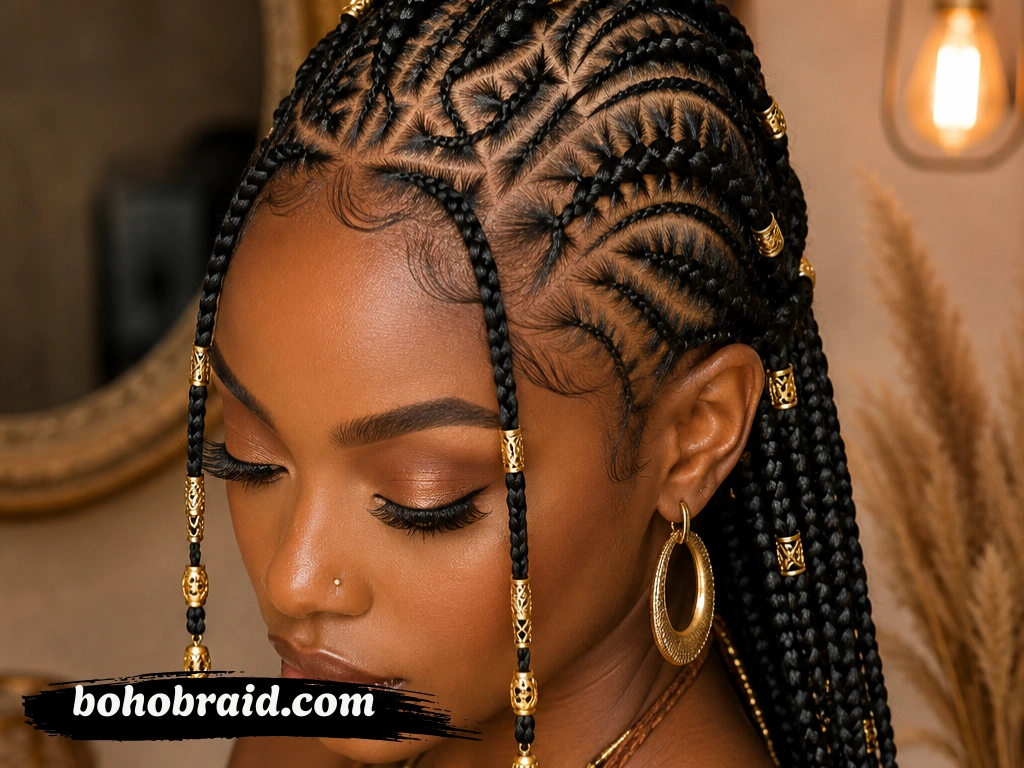
African cornrow braids are one of the most iconic protective hairstyles, loved for their beauty, cultural meaning, and versatility. From classic straight-back cornrows to creative feed-in designs, goddess cornrows, tribal patterns, and cornrow ponytails, this hairstyle works for many hair lengths, textures, and personal styles.
Cornrows are not only stylish but also practical because they help protect natural hair, reduce daily manipulation, and keep the scalp neat when installed and maintained properly.
Whether you want a simple everyday look or a bold statement hairstyle, african cornrow braids offer endless options for modern beauty, tradition, and self-expression.
1. Classic Straight Back African Cornrow Braids
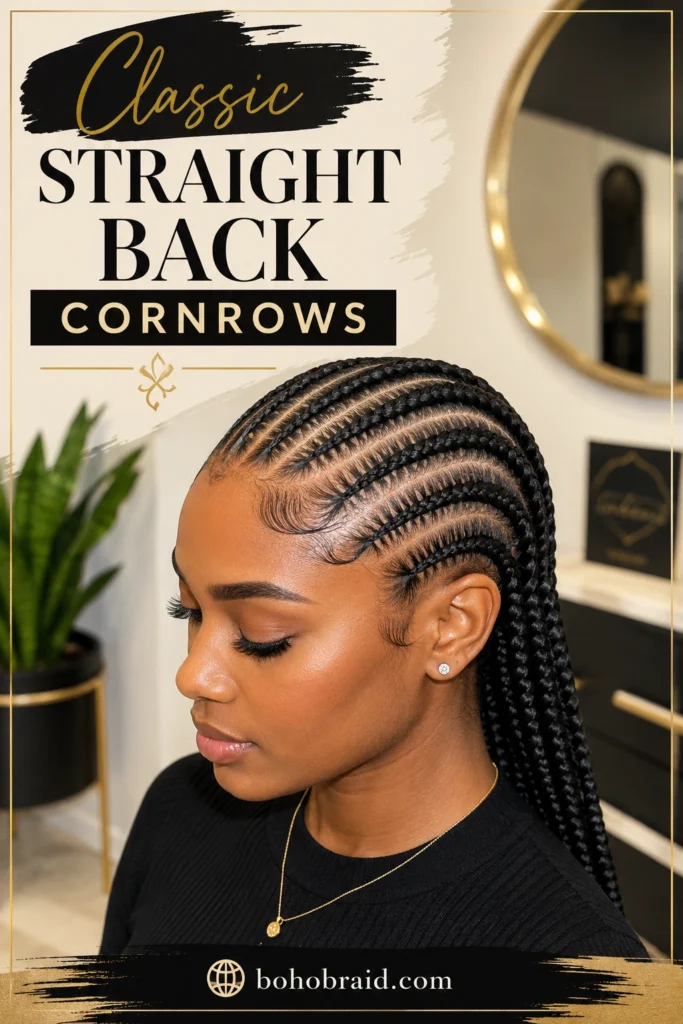
Straight back cornrows are one of the most timeless and easy-to-wear cornrow braid styles. The braids are created in clean rows going from the front hairline to the back of the head. This style is simple, neat, and perfect for anyone who wants a protective hairstyle without too much detail.
Classic straight back african cornrow braids work well for school, work, vacation, and everyday wear. They can be done with natural hair only or with added braiding hair for length and fullness. For a polished look, many people add sleek edges or small accessories at the ends.
This style is also a great choice for beginners because it is easy to maintain and can last for several weeks with proper care.
2. Feed-In African Cornrow Braids
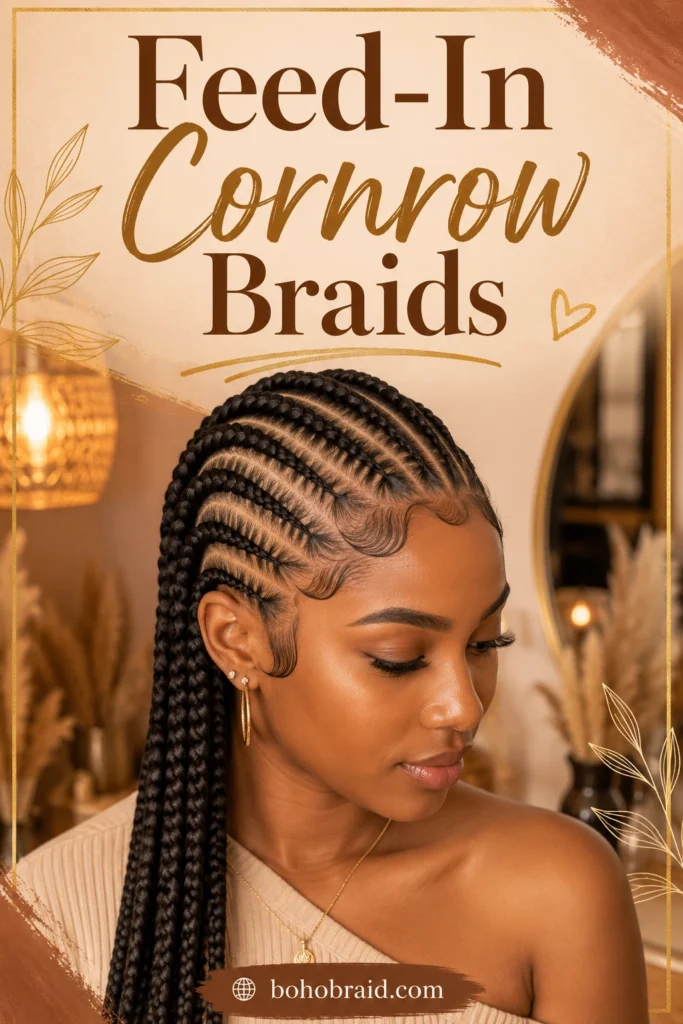
Feed-in cornrow braids are a modern version of traditional cornrows. In this technique, small pieces of braiding hair are gradually added as the braid continues, creating a natural-looking transition from the roots to the ends. The result is smoother, flatter, and less bulky than older cornrow methods.
Feed-in african cornrow braids are popular because they look elegant and feel lightweight. They are also gentler on the hairline when installed correctly. You can choose thin feed-in braids, medium feed-in cornrows, or jumbo feed-in cornrows depending on your preferred style.
This hairstyle is ideal for anyone who wants a clean, professional, and stylish protective look with natural volume.
3. African Cornrow Braids with Beads
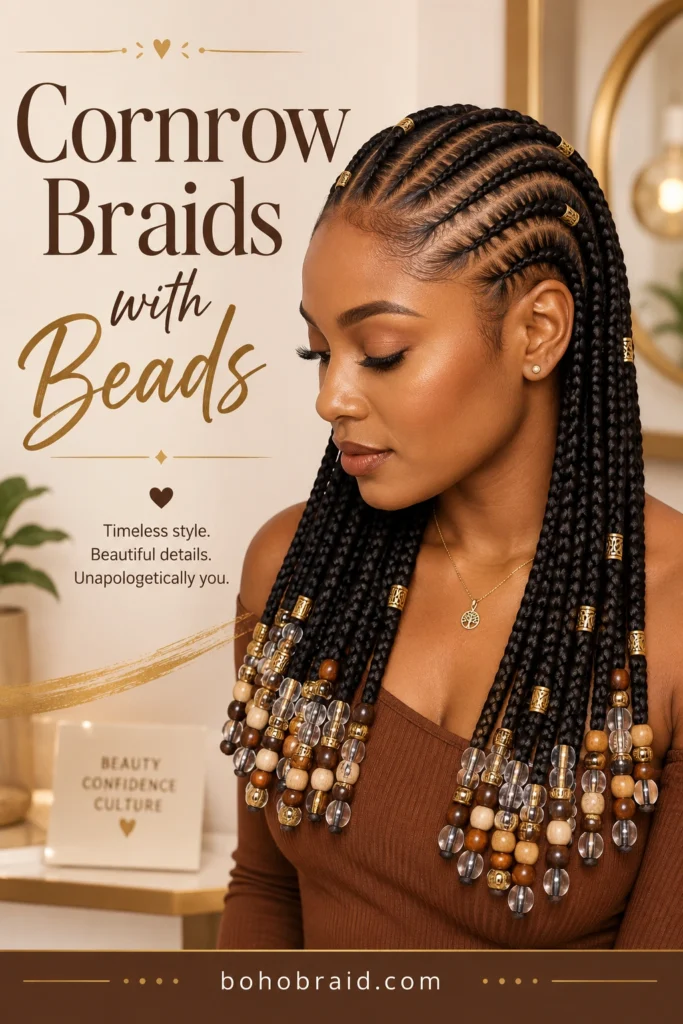
Cornrows with beads are a beautiful way to add personality and cultural charm to your hairstyle. Beads can be placed at the ends of the braids or throughout the style for extra detail. Popular bead choices include clear beads, wooden beads, gold beads, white beads, and colorful beads.
African cornrow braids with beads are especially popular for summer, festivals, vacations, and special events. They bring movement, sound, and visual interest to the hairstyle. Beads can also make simple cornrows look more creative and expressive.
For a natural and elegant finish, wooden beads and gold cuffs work beautifully with warm brown, black, or honey-toned braiding hair.
4. Goddess African Cornrow Braids
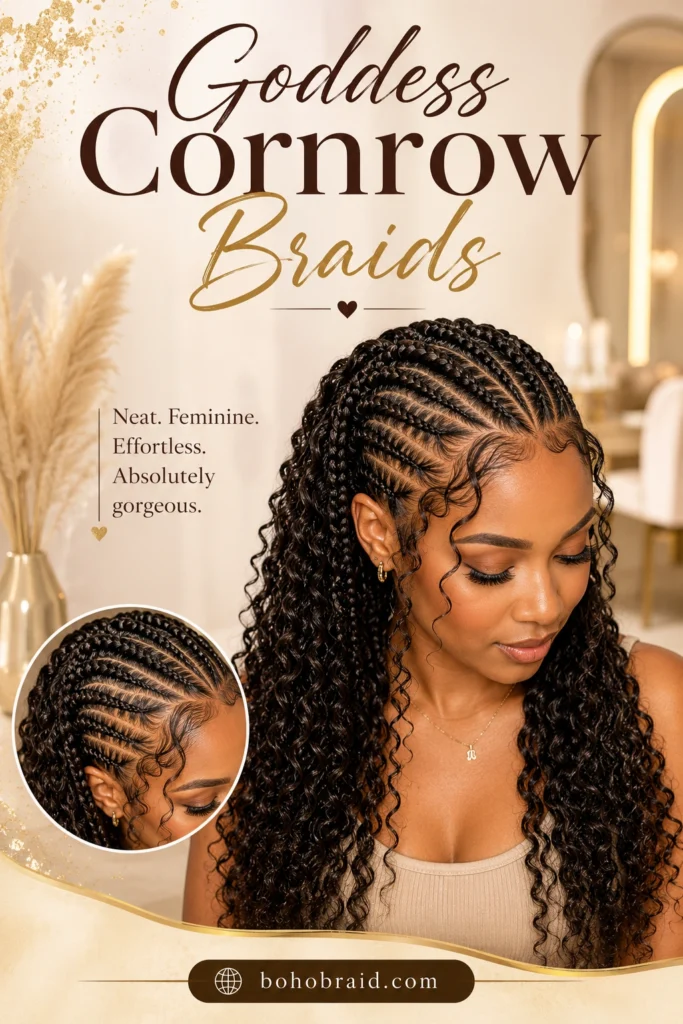
Goddess cornrow braids are soft, feminine, and stylish. This look usually combines neat cornrows with loose curly pieces or wavy ends. The curls add volume and a romantic texture, making the hairstyle look more relaxed and glamorous.
Goddess african cornrow braids are perfect for women who want a protective style that still feels soft and elegant. They can be styled as straight-back cornrows, side cornrows, tribal cornrows, or a cornrow ponytail with curly ends.
To keep the curls fresh, use a lightweight mousse and avoid heavy products. At night, wrap your braids with a satin scarf or sleep on a satin pillowcase to reduce frizz.
5. Tribal African Cornrow Braids
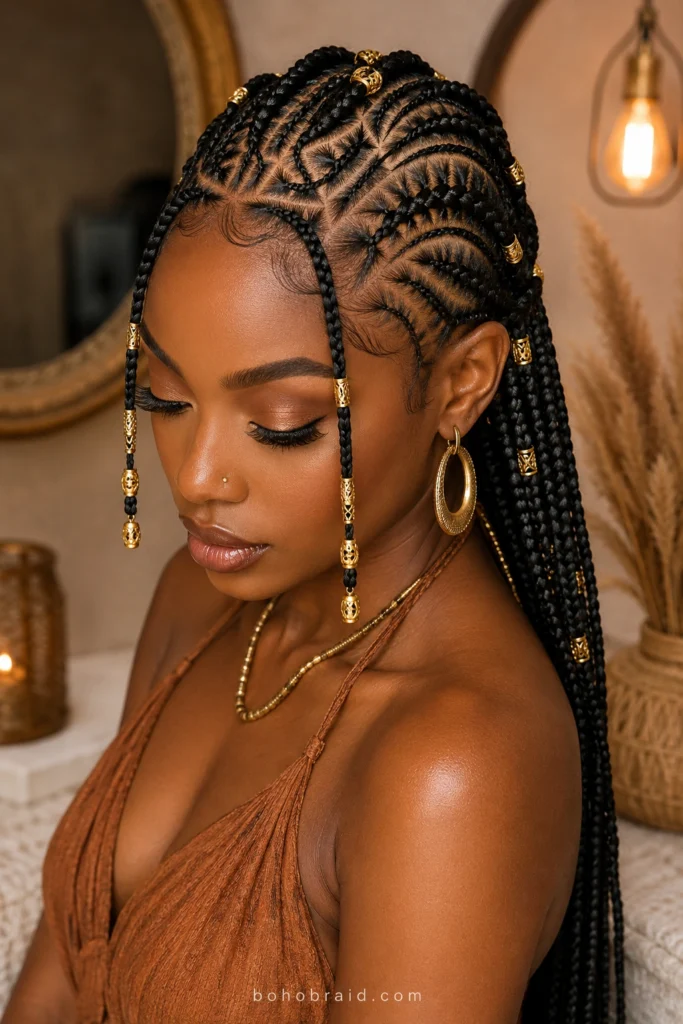
Tribal cornrows are inspired by traditional African braid patterns and often include creative parting, center braids, side braids, beads, cuffs, and face-framing details. This style is bold, artistic, and full of personality.
African tribal cornrow braids can include symmetrical designs, curved rows, zig zag parts, or a mix of small and medium braids. Many people love this look because it feels stylish while honoring African beauty traditions.
Tribal cornrows are a great option for anyone who wants a hairstyle that stands out. They can be worn long, short, with beads, with curls, or in a half-up style.
6. African Cornrow Braids Ponytail
A cornrow ponytail is a sleek and fashionable way to wear african cornrow braids. The braids are usually directed upward or backward into a high or low ponytail. This style lifts the face, keeps the hair off the neck, and creates a clean, elegant look.
High cornrow ponytails are perfect for bold beauty looks, parties, and special occasions. Low cornrow ponytails are softer and more suitable for professional or everyday styling. You can also add curly ends, gold cuffs, or beads to make the ponytail more unique.
This style is protective, stylish, and easy to manage, making it a favorite for many women with natural hair.
7. African Cornrow Braids with Curls
Cornrows with curls combine the neatness of braids with the softness of curly hair. In this style, the roots are braided close to the scalp while the ends are left curly, wavy, or loose. This creates a beautiful contrast between structure and volume.
African cornrow braids with curls are ideal for anyone who wants a modern, feminine, and trendy look. The curls can be placed at the ends, added between the braids, or styled into a full curly ponytail.
To maintain the curls, use curl-friendly products and avoid over-brushing. Finger-detangling and satin protection at night can help keep the style fresh for longer.
8. Small, Medium, and Jumbo African Cornrow Braids
African cornrow braids can be customized by braid size. Small cornrows create a detailed and long-lasting look. They are perfect for intricate designs, but they may take longer to install. Medium cornrows are a balanced option because they are neat, stylish, and easier to maintain. Jumbo cornrows are bold, quick to install, and perfect for a dramatic beauty statement.
Choosing the right braid size depends on your hair type, lifestyle, and desired look. Small braids may last longer, while jumbo braids are quicker and lighter for short-term wear. Medium cornrows are often the best choice for everyday styling because they offer comfort, beauty, and versatility.
9. How to Care for African Cornrow Braids
Proper care is important if you want your african cornrow braids to stay neat and protect your natural hair. Start by keeping your scalp clean and moisturized. Use a lightweight scalp oil or braid spray to prevent dryness. Avoid applying too much heavy product because buildup can make the braids look dull.
At night, cover your hair with a satin bonnet or scarf. This helps reduce frizz and keeps the braid pattern smooth. If your edges feel tight or painful, do not ignore it. Cornrows should feel secure, but they should not cause discomfort or tension.
Most cornrow styles can last around two to six weeks depending on braid size, hair texture, and maintenance. For healthy hair, avoid leaving cornrows in too long and give your scalp time to rest between protective styles.
Conclusion
African cornrow braids are more than just a hairstyle. They are a beautiful blend of culture, creativity, protection, and modern style. From classic straight-back cornrows to feed-in braids, tribal designs, goddess curls, beaded styles, and sleek ponytails, there is a cornrow look for every personality and occasion.
The best style depends on your hair goals, comfort, and lifestyle. With proper installation and maintenance, african cornrow braids can help protect natural hair while giving you a polished, confident, and timeless look.
FAQs
How long do african cornrow braids last?
African cornrow braids usually last between two and six weeks. Smaller cornrows may last longer, while larger cornrows may need refreshing sooner. Proper nighttime protection and scalp care can help the style last longer.
Are african cornrow braids good for natural hair?
Yes, african cornrow braids can be a good protective style for natural hair when they are not installed too tightly. They help reduce daily styling and manipulation, which can support length retention.
Do cornrow braids damage the hairline?
Cornrows can damage the hairline if they are braided too tightly or worn for too long. To protect your edges, choose a gentle stylist, avoid excessive tension, and take breaks between styles.
